Federal Government Reveals List Of Goods Produced By Child Labor And Slaves
There is a battle to end slavery and child labor, but there is much work to be done.
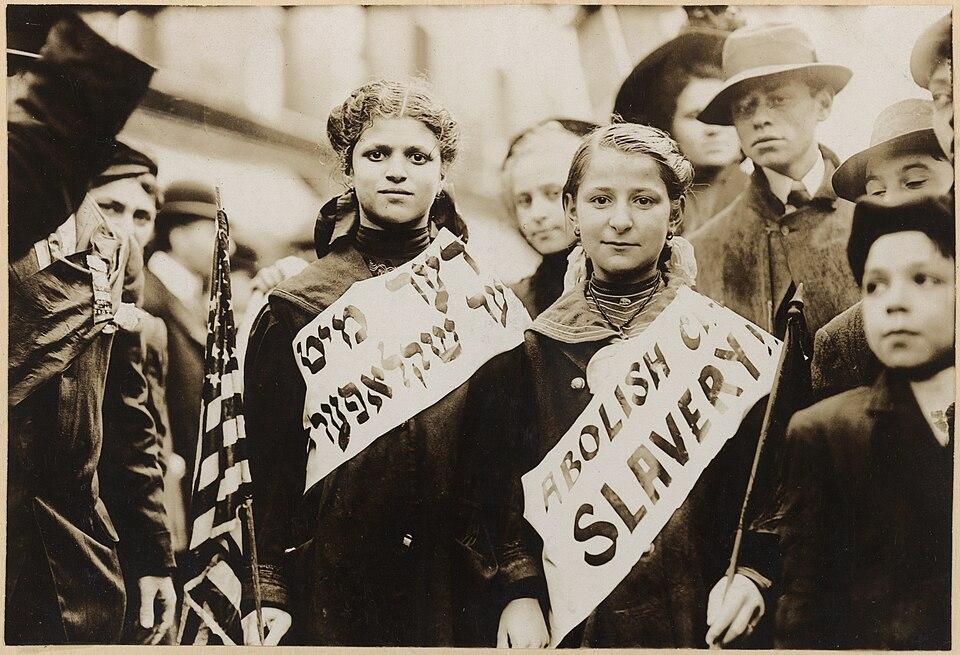
A 1909 protest against child slavery in New York City.
The topic of child labor is sadly one of those that is always at the top of my list. However, we have had some significant strides recently, especially regarding the release of the Department of Labor's (DOL) list of goods produced by forced labor and child labor! The long-pending release was long overdue and was came about largely to a public outcry from organizations and citizens alike. Chang.org's petition alone had over 6,000 supporters.
In 2005, Congress mandated that the DOL compile a list of goods produced by forced or child labor. Its release will now enable consumers and shareholders to apply leverage to fight slavery worldwide. The analysis was conducted by the DOL's Bureau of International Labor Affairs (ILAB).
The full report contains over 194 pages, which highlights the most commonly used consumer goods, and exhibits large instances of forced labor and child labor. The products I have often brought to your attention in previous posts on child labor and fair trade products, such as cotton, sugarcane, coffee, cocoa, tobacco, and rice, were on the list. The industries that most commonly found their way on the list unsurprisingly included: brick, garment, carpet, and footwear manufacturing. Mined minerals such as gold and coal, as well as other quarried goods, made the list.
In the summary of the report, some 122 in 58 countries are shown to be produced with a substantial rate of child labor, forced labor, or both. What may shock one more is that the level of child labor used to manufacture the goods listed in the report outweighed that of forced labor.
In addition to the list of goods produced by child or forced labor, ILAB released released two additional reports: 1) the DOL's 2024 Findings on the Worst Forms of Child Labor under the Trade and Development Act, and 2) a proposed update to Executive Order 13126 which mandates that the DOL, in conjunction with the Departments of State and Homeland Security, publish a list of products which were produced or manufactured by forced or child labor to ensure that federal agencies enforce laws related to these types of labor.
This is indeed a major battle won for the anti-trafficking field and concerned citizens/consumers. However, as we celebrate one victory, we still have a long battle ahead to end child slavery. As the school year takes off with full flight here in the U.S., children across the globe are continuing to toil in various forms of child labor, like those in Uzbekistan who are heading back to the fields. Senator Tom Harkin (D-Iowa) published the following article, "The Hard Truth about Uzbek Cotton," reminding us that while progress is being made, we have a long road ahead. Former Senator Harkin chaired the Senate Committee on Health, Education, Labor, and Pensions, and has been a leader in the fight to end abusive child labor around the globe. You can also see my previous posts, A Call for a Boycott on Child Picked Uzbek Cotton, and Child Picked Cotton...Central Asia's Child Labor, for more information. You can sign the following petition to protest child slavery in the Democratic Republic of Congo here.
The battle against the sugarcane plantations that feed off the backs of enslaved and impoverished Haitians, including children, continues. You can see more on the fight against one of the largest, Grupo Vicini, led by Father Christopher Hartley, who risked his life in pursuit of their freedom. See here. UNICEF estimates that some 2,000 children are trafficked each year to the Dominican Republic.
Don't let this opportunity to become a more empowered consumer and citizen. Take this opportunity and information to not only become a more conscientious shopper, but to also pressure companies to remove slave labor from their supply chains once and for all.
For more information and to see previous posts on child labor, click here.
Cassandra Clifford writes for the Foreign Policy Association.